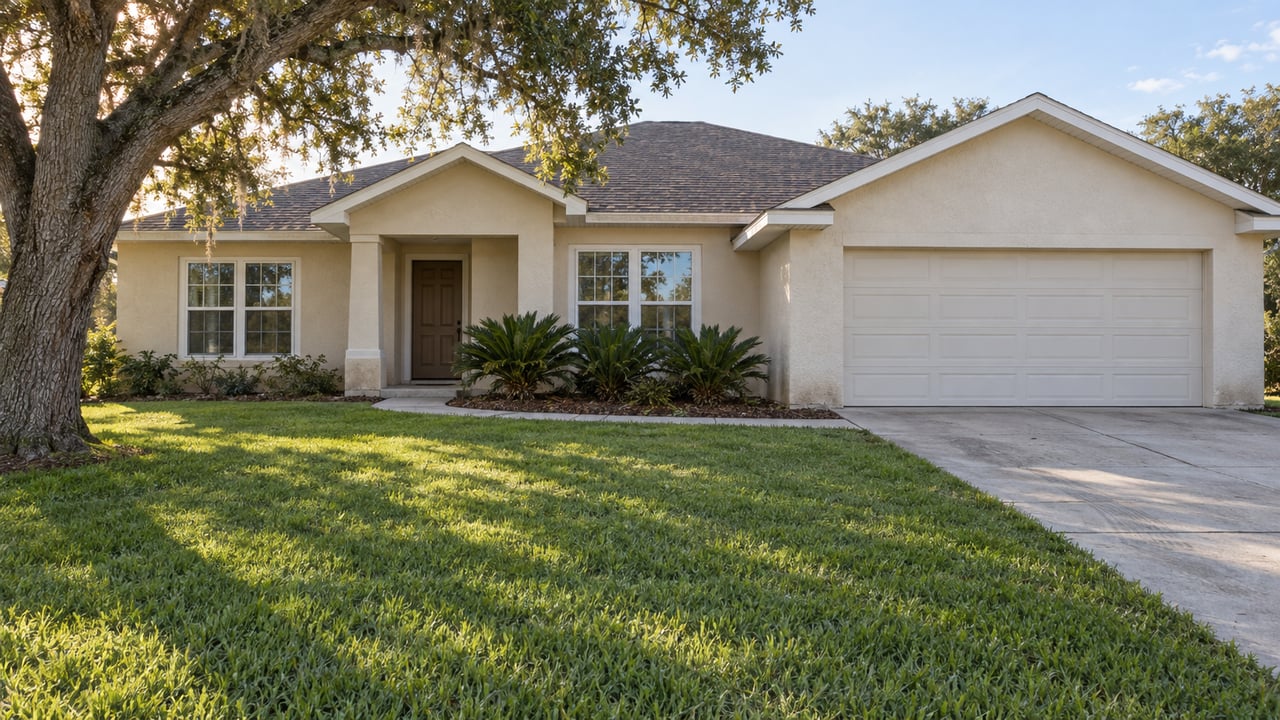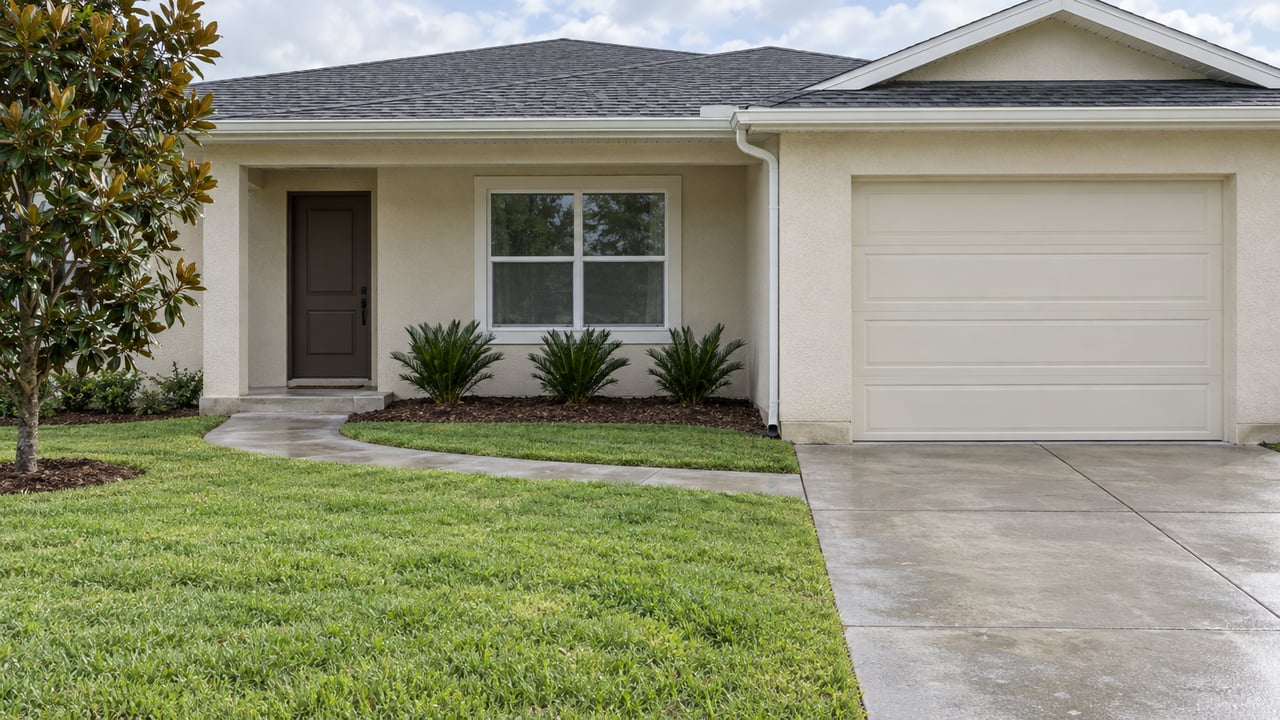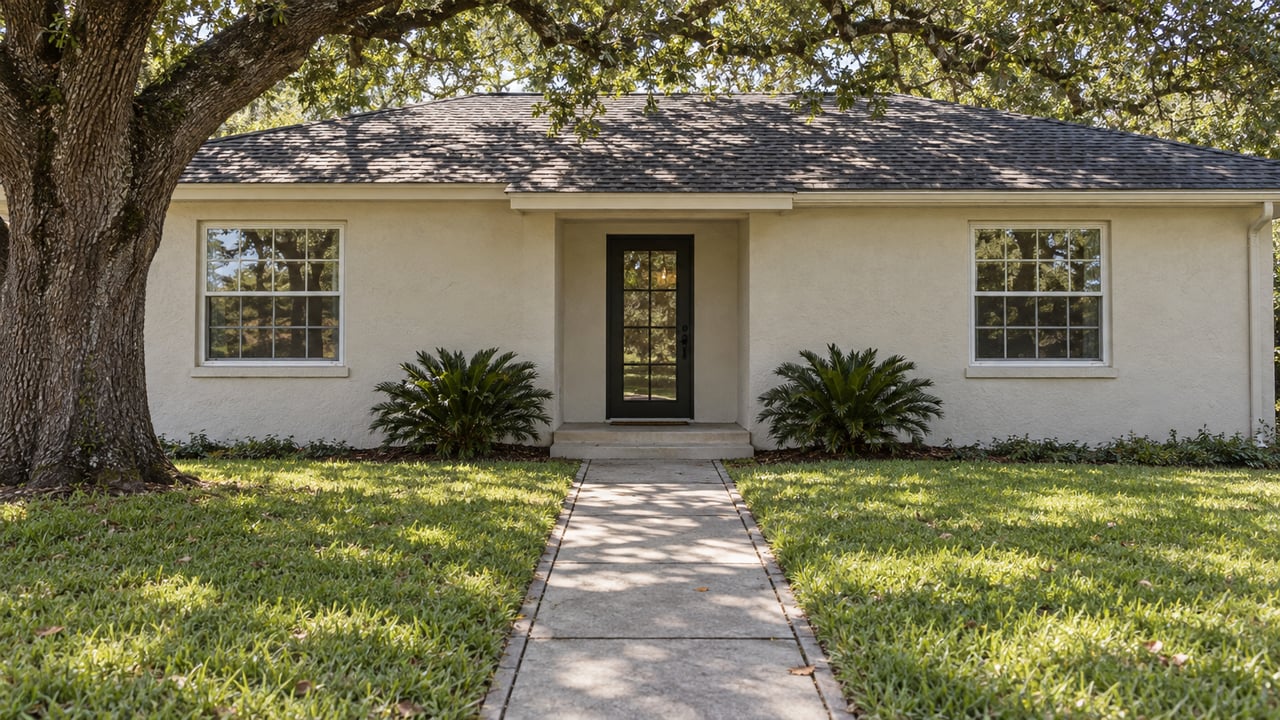
Thinking about building new in a Sumter County retirement community? The floor plan is exciting, but the smartest buyers know the real decision starts long before you pick cabinets or countertops. If you want a clearer picture of how homesites, fees, permits, and representation can shape your experience, this guide will walk you through the details that matter most. Let’s dive in.
Why new construction feels different here
In Sumter County, retirement-community living is about more than the house itself. In The Villages, daily life is tied closely to community amenities, golf-car access, recreation, and organized activities, with more than 150,000 residents, over 70,000 households, and 3,000-plus resident-run clubs and lifestyle groups.
That means your buying decision is not just about square footage or finishes. You are also choosing how easy it will be to get around, what kind of maintenance setup you want, and whether the community supports the lifestyle you want over time.
The Villages also notes that it is a 55+ community, but a household may include someone under 55 as long as at least one member is 55 and no full-time resident is younger than 19. For many buyers, that flexibility matters when planning for visiting family or long-term living arrangements.
Start with the homesite
When you build new, it is easy to focus on the design studio first. In practice, the homesite usually comes first, and it can affect everything from utility setup to long-term costs.
According to The Villages, the new-home process starts with choosing a homesite, floor plan, and then finishing touches with design professionals. Buyers may be able to select features like cabinetry, countertops, flooring, and structural options such as an expanded garage or lanai. Some neighborhoods also offer ready-to-move-in homes alongside more customizable opportunities.
Ask how utilities work
Before you fall in love with a lot, confirm whether the property will be served by sewer or septic. Sumter County states that septic permits are handled with building permit submittals when applicable, so this is not a minor detail. It can affect approvals, timing, and the questions you should ask early.
Compare district-level differences
Not every location within a large retirement community works the same way. The Villages district information notes that bond amortization, utility provider, and sanitation collection schedules can vary by district.
That is why two homes with similar prices may still have different ownership costs or service setups. A careful homesite review can help you avoid surprises after contract.
Look beyond the base price
A new-home price can look straightforward at first glance. In reality, your total cost often includes a mix of one-time expenses, recurring fees, and tax-related assessments.
The Villages currently advertises a $189 monthly amenity fee. That fee includes executive-course golf, swimming, tennis, pickleball, bocce, fishing lakes, parks, trails, 24-hour community watch, and more than 3,000 weekly organized activities. A separate trail fee applies if you want to use a golf car on executive-course cart paths.
Sumter County also states that new residential development is subject to permit fees and additional impact fees before permit issuance. Those items are separate from your home’s advertised base price, which is why it helps to review the full cost picture early.
Know which costs repeat
Ongoing ownership costs can be just as important as your purchase price. Sumter County’s tax collector explains that non-ad valorem assessments are unit-based and merged into the annual tax roll, while the county’s tax-bill insert separates ad valorem taxes from non-ad valorem assessments.
In The Villages, district-government information says community development districts fund infrastructure through special-assessment bonds plus annual maintenance assessments. Homeowners may prepay the bond assessment, but the maintenance assessment continues.
Here is a simple way to think about it:
| Cost Type | What to Ask |
|---|---|
| Base home price | What is included before upgrades? |
| Lot or homesite premium | Does this location carry an extra charge? |
| Design upgrades | Which selections increase the contract price? |
| Permit and impact fees | Are these already included or added later? |
| Amenity fee | What does the monthly fee cover? |
| Bond and maintenance assessments | Which charges are annual and which can be prepaid? |
| Non-ad valorem assessments | How will these appear on the tax bill? |
Understand homestead timing
If the home will be your primary residence, homestead treatment may affect your future tax picture. Sumter County’s property appraiser says the Florida homestead exemption can be up to $50,000, with the first $25,000 applying to all property taxes and the next $25,000 applying only to non-school taxes.
The same office says first-time applicants must have been living in the home on January 1. Portability may also be available for qualifying Florida homestead owners who move from one homesteaded property to another.
For buyers building a retirement home they plan to occupy full time, move-in timing matters. It is worth asking how your projected completion date lines up with the January 1 occupancy requirement.
Build timelines depend on permits
One of the biggest mistakes buyers make is expecting a single standard build timeline. In Sumter County, timing often depends on local permitting, inspections, and any needed approvals tied to utilities or septic.
Sumter County says either the contractor or the property owner may apply for a building permit, and the county offers online permitting. The county also states that a permit remains valid until 180 days past the issue date or the last approved inspection.
That 180-day rule is important because it shows how closely progress and inspections are tied together. If work stalls too long without activity or approved inspections, permit status can become an issue.
Inspections shape the pace
Sumter County says inspections can be scheduled online or by phone, and the county asks for the permit number, job-site address, inspection type, and contact details. The county also allows private providers for some plan review and inspection work, though not for fire review or fire inspections.
Contractors pulling permits in Sumter County must hold the proper Florida or county competency credentials. If septic is involved, system review runs through the county’s partnership with the Florida Department of Health in Sumter County.
In simple terms, local build timing usually depends on:
- Permit issuance
- Inspection scheduling and approvals
- Contractor licensing and readiness
- Septic review, when applicable
- Utility-related approvals based on the homesite
Why buyer representation still matters
New construction can feel polished and simple on the surface. But builder contracts, lot premiums, district assessments, and timeline questions still deserve careful review from your side.
Florida law says real estate licensees are presumed to operate as transaction brokers unless a single-agent or no-brokerage relationship is established in writing. The statute explains that transaction brokers provide limited representation, while single agents owe duties such as loyalty, confidentiality, and full disclosure.
The same law also notes that when an owner is selling new residential units, the on-site employee or single agent may be acting for the owner. For you as a buyer, that is an important distinction.
Questions worth asking early
An independent agent can help you focus on the details that may affect your budget and experience, including:
- Is the homesite on sewer or septic?
- Which fees are one-time and which are recurring?
- Will the annual tax bill include non-ad valorem assessments?
- How are bond and maintenance assessments handled in this district?
- What happens if permit timing affects the build schedule?
- Who is representing you in the transaction?
For a retirement-community purchase, these questions are not just technical. They are part of making sure the home and the lifestyle truly fit your plans.
How to approach your decision with confidence
If you are building new in Sumter County, start by zooming out before you zoom in. The right choice is not only about the prettiest finishes or the newest floor plan. It is about how the homesite, district structure, monthly fees, tax treatment, and permit timeline work together.
That is where a practical, detail-first approach can save you stress. When you understand the moving parts early, you can compare options more clearly and make decisions that support both your budget and your long-term lifestyle.
If you want a knowledgeable guide for a new-construction purchase, Christine Hall brings builder-side experience and a client-first approach to help you ask smarter questions and move forward with confidence.
FAQs
What should you check first when building new in Sumter County retirement communities?
- Start with the homesite, because utility setup, district differences, and possible lot-related costs can affect both timing and total ownership expense.
How do amenity fees work in The Villages?
- The Villages currently advertises a $189 monthly amenity fee that includes access to a wide range of recreational amenities and organized activities, with a separate trail fee for golf-car use on executive-course cart paths.
Do Sumter County tax bills include assessments beyond property taxes?
- Yes. Sumter County’s tax collector says non-ad valorem assessments are merged into the annual tax roll and listed separately from ad valorem taxes.
Can a new home in Sumter County be on septic instead of sewer?
- Yes, depending on the homesite. Sumter County says septic permits are handled with building permit submittals when applicable, so you should confirm the utility setup before moving forward.
How long does a building permit stay active in Sumter County?
- Sumter County says a permit remains valid until 180 days past the issue date or the last approved inspection.
Why should a buyer ask about representation when purchasing new construction in Florida?
- Florida law says on-site sales staff may be acting for the owner, and licensees are generally presumed to be transaction brokers unless another relationship is established in writing, so it is wise to clarify who is representing you.