Buying a waterfront home from hours away can feel risky, especially in a place like Homosassa Springs where one shoreline can live very differently from the next. If you are dreaming about river views, boating access, or a laid-back Florida lifestyle, you also need clear answers on flood exposure, dock use, insurance costs, and permitting. This guide will help you focus on the details that matter most so you can buy with more confidence from a distance. Let’s dive in.
Why Homosassa Springs Waterfront Is Different
Homosassa Springs is not a one-size-fits-all waterfront market. The area is known for spring-fed rivers, boating, fishing, scalloping, waterfront restaurants, and strong outdoor appeal, which is a big part of why buyers are drawn here.
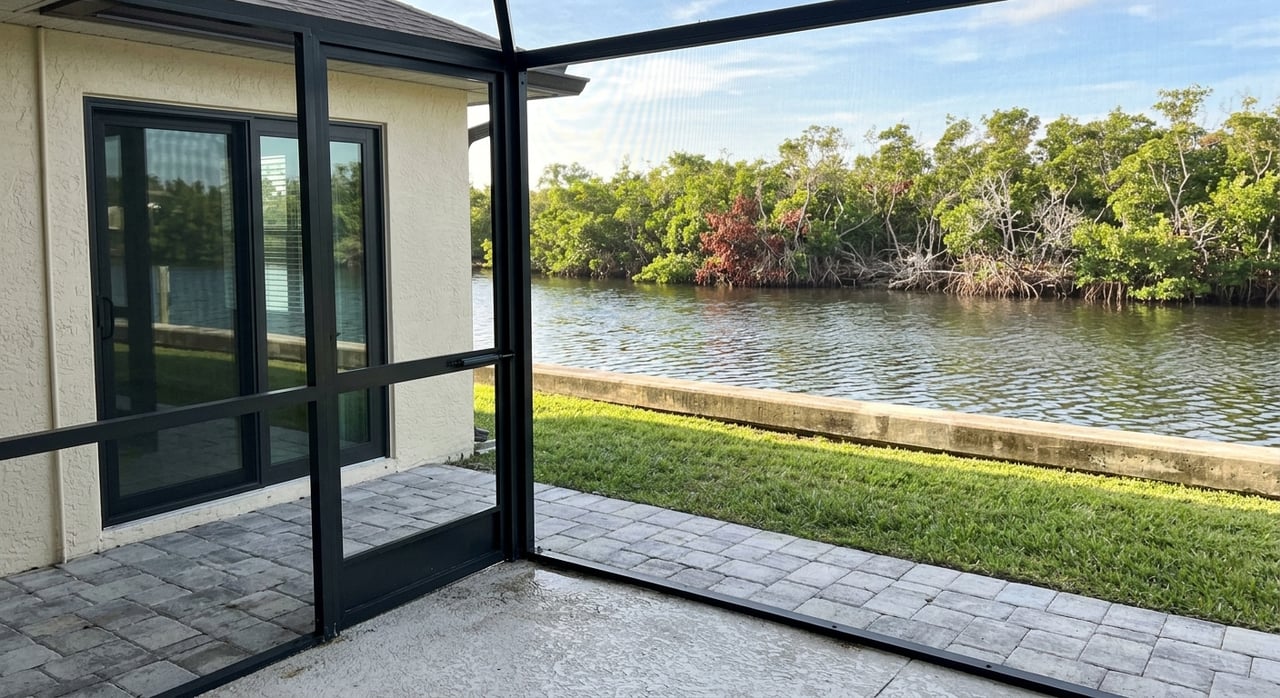
But “waterfront” can mean very different things depending on the property. A home on a river, canal, spring-adjacent waterway, or shoreline with wildlife-related restrictions may offer a very different experience when it comes to access, dock usability, future improvements, and daily enjoyment.
That difference matters even more if you are buying remotely. In a market with an established, owner-occupied housing base, you want to evaluate the waterfront features as part of the home’s core value, not as a detail to sort out after closing.
Start With Remote Property Verification
If you are not local, your first layer of due diligence should be public records and mapping tools. Citrus County GIS is a key resource because it includes parcel, zoning, flood zone, utility, roadway, and address data.
That said, the county also notes that its information should be independently verified. A smart remote buyer compares county GIS information with FEMA flood mapping instead of relying only on the listing description or seller marketing.
What To Confirm Early
Before you get emotionally attached to a property, ask for verification on a few basics:
- Parcel boundaries
- Zoning information
- Flood zone designation
- Road access
- Utility type
- Shoreline features shown on survey or county records
These early checks can save you time and help you avoid writing an offer on a home that does not match your intended use.
Flood Risk Should Shape Your Budget
For most Homosassa Springs waterfront buyers, flood risk is the biggest budget variable. FEMA identifies flood hazard information through its Flood Map Service Center, and areas with a 1% annual flood chance are considered high risk.
If a home is in a designated Special Flood Hazard Area, a mortgage will generally mean flood insurance is required. That can change your monthly payment in a meaningful way, so it is something to price out before you finalize an offer.
Just as important, homeowners insurance and flood insurance are not the same thing. Standard homeowners coverage typically does not cover flood damage, so buyers need to look at both policies together when evaluating the true cost of ownership.
Build Insurance Into Your Offer Strategy
A waterfront home can be harder or more expensive to insure based on disaster risk, rebuilding cost, deductible choices, and prior claims history. That is why written insurance quotes should happen early, not after you are fully committed.
A practical approach is to:
- Get a homeowners insurance quote as soon as the property is serious
- Request a separate flood insurance quote if flood risk is present
- Compare deductibles carefully
- Ask about prior claims or signs the property may have been difficult to insure
If the numbers come in much higher than expected, that affects affordability just as much as taxes or HOA costs would.
Ask About Past Flooding And Repairs
A remote buyer has less ability to notice subtle warning signs during a casual showing. That makes seller questions and inspections even more important.
Ask whether the home has had prior flood or disaster damage and how repairs were completed. You should also use an inspection clause that gives you room to review the property condition before moving forward.
If you hear that the property had prior insurance issues, force-placed insurance, or limited coverage options, take that seriously. Those details do not always kill a deal, but they do deserve closer review before you proceed.
Verify Docks, Lifts, And Shoreline Structures
One of the biggest mistakes remote waterfront buyers make is assuming every shoreline improvement is legal, permitted, and easy to replace. In Homosassa Springs, that assumption can create expensive surprises.
Citrus County permit review comments show that dock and boatlift reviews may require scaled survey information. County review materials also show that some projects are evaluated with limits such as a maximum extension of 200 feet or 25% of the waterway width, whichever is less.
That means you should confirm not only what exists, but also what may be allowed in the future. If your goal is to keep a certain boat, add a lift, or modify a dock, those questions should be answered before closing.
Shoreline Features Are Not All Treated The Same
Some features near the water may not be classified the way buyers expect. County review comments show that slabs, decks without railings, and in-ground pools without enclosures can require a 15-foot setback from the ordinary or mean high-water line or a jurisdictional wetland line.
In simple terms, that patio area or waterside structure may not be as flexible as it looks. Ask whether each shoreline improvement was permitted, how it is classified, and whether expansion or replacement would trigger a new review.
Manatee Rules Can Affect Waterfront Use
In Homosassa Springs, wildlife rules are part of the practical use of some waterfront properties. The Florida Fish and Wildlife Conservation Commission states that manatee protection rules can restrict vessel speed, access, and permitted activities in important habitat areas.
For you as a buyer, this matters because the waterfront lifestyle you imagine may not function the same way on every parcel. A property can still be appealing, but you want to know in advance whether boating convenience or future dock changes may be shaped by these rules.
County review materials tied to manatee protection have also referenced a density guideline of about one boat slip per 100 feet of owned shoreline in certain essential habitat areas. That is another reason to verify current use and future possibilities rather than assuming the water frontage tells the whole story.
Confirm Septic, Well, Sewer, And Water Service
Utilities deserve extra attention when you are buying from out of town. The Florida Department of Health in Citrus County handles septic permitting and inspection, and private well water testing should be done through a state-approved lab.
A remote buyer should confirm whether the home is on septic or sewer, and whether the water supply is a private well or public service. Those details affect maintenance, inspections, and your long-term ownership costs.
If the property has a private well, ask about recent testing and available records. If it has septic, ask about permit history, age, and service documentation where available.
Use A Strong Remote Buying Process
The good news is that buying from a distance is very doable. Virtual tours, live video walkthroughs, and digital transaction tools make it much easier to evaluate homes and move through the process without being physically present every step of the way.
Florida law also supports electronic notarization and online notarization for qualifying documents. In many cases, that means the signing side of your purchase can be handled remotely, even if you are outside Florida, as long as the lender, title company, and notary coordinate the process.
Still, technology should support your decision-making, not replace verification. A smooth remote purchase depends on pairing digital convenience with local, on-the-ground checks.
A Smart Remote Workflow
For a Homosassa Springs waterfront purchase, this workflow is especially helpful:
- Schedule a live video showing of the home, shoreline, dock, water approach, and surrounding area.
- Review parcel, zoning, utility, and flood information through county and FEMA sources.
- Ask for surveys, elevation-related documents, and permit history if available.
- Order a local home inspection and any additional inspections needed for waterfront features.
- Get written homeowners and flood insurance quotes before locking in your final comfort level.
- Coordinate title, lender, and signing logistics early so remote closing is easier.
This process gives you a more complete view of the property than photos alone ever could.
Questions Remote Buyers Should Always Ask
When you are narrowing down waterfront options in Homosassa Springs, keep your questions direct and practical. The goal is not just to love the setting. It is to understand how the property actually works.
Here are some of the most useful questions to ask:
- What flood zone does FEMA show for the parcel?
- Is there a current survey or elevation certificate?
- Were the dock, lift, seawall, or other shoreline improvements permitted?
- Is the home on septic or sewer?
- Is the water source a private well or public system?
- Are there manatee-related, boating, or shoreline setback restrictions that affect use?
- Can I see a live video of the water line, access path, dock area, and neighboring waterfront conditions?
These are not “extra” waterfront questions. In this market, they are central to making a sound decision.
Why Local Guidance Matters
Remote buying works best when you have someone local helping you connect the dots. In a waterfront market like Homosassa Springs, photos and listing notes rarely tell the full story about access, usability, insurance impact, or improvement limits.
That is where clear communication, video-based showings, and practical property review become so valuable. When you combine local market knowledge with a careful due diligence process, you can move forward with much more confidence, even from out of town.
If you are exploring Homosassa Springs waterfront homes from afar, Christine Hall can help you navigate the details with a local, hands-on approach and clear communication from showing to closing.
FAQs
What should remote buyers verify first for a Homosassa Springs waterfront home?
- Start with parcel details, flood zone information, zoning, utility type, and visible shoreline features through Citrus County GIS and FEMA flood mapping.
Do Homosassa Springs waterfront homes always require flood insurance?
- Not always, but if the home is in a designated Special Flood Hazard Area and you are using a mortgage, flood insurance will generally be required.
Can a dock or boat lift on a Homosassa Springs property be assumed legal?
- No. You should verify whether the dock, lift, seawall, or other shoreline improvements were permitted and whether future changes may trigger new review.
How do manatee rules affect Homosassa Springs waterfront buyers?
- Manatee protection rules can affect vessel speed, access, and some permitted waterfront activities, which may influence how you use the property.
What utility questions matter most for Homosassa Springs waterfront homes?
- Ask whether the home uses septic or sewer and whether the water source is a private well or public service, then request any available records.
Can you close on a Homosassa Springs home remotely?
- Yes. Florida law allows electronic and online notarization for qualifying documents, but your lender, title company, and notary still need to coordinate the signing process.