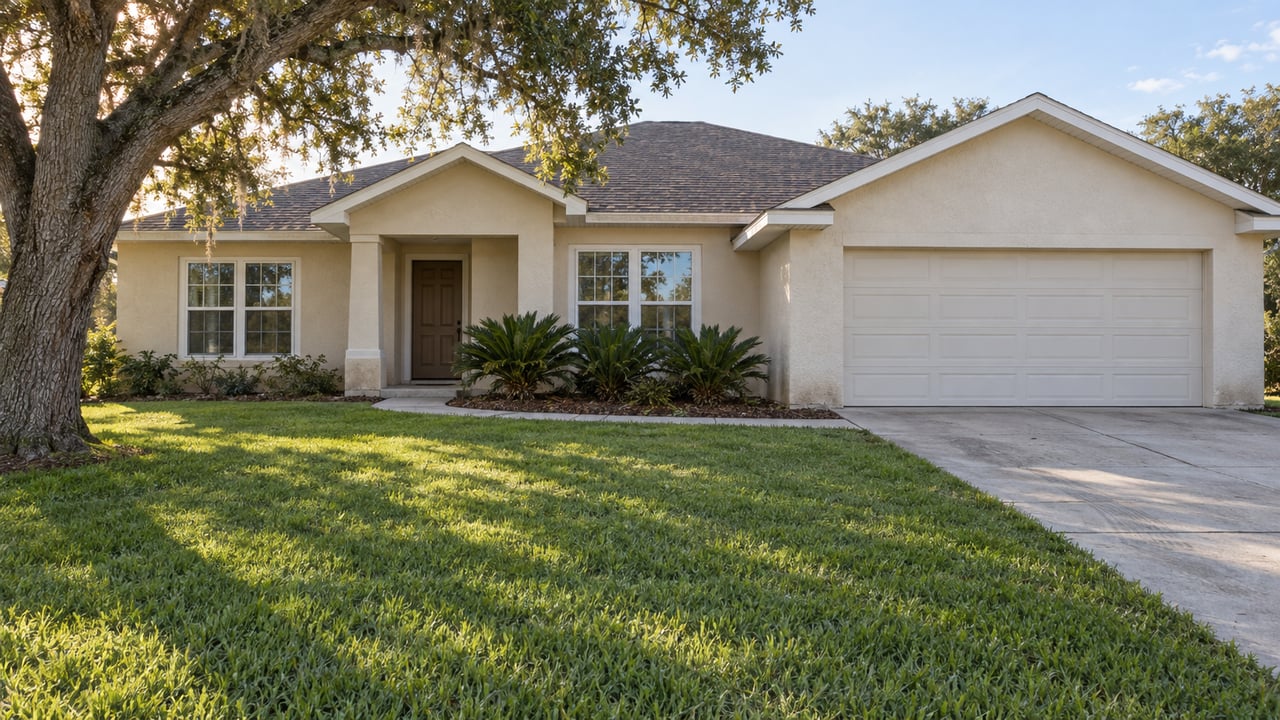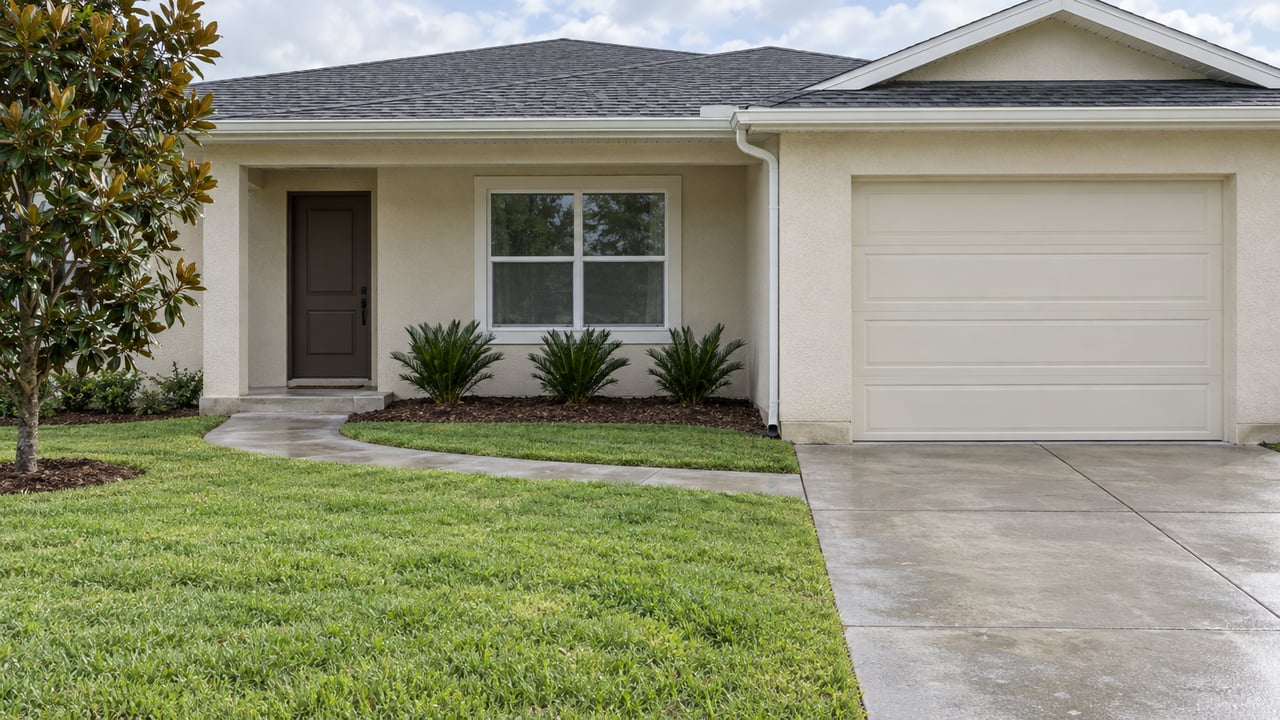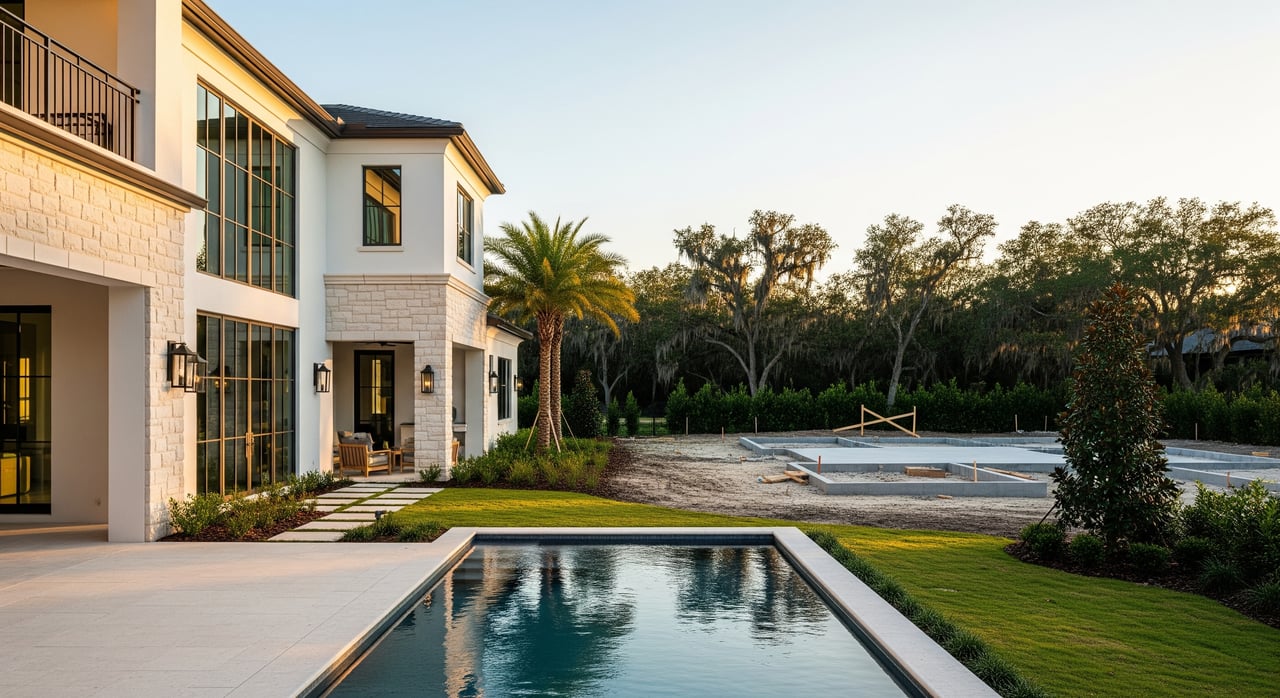
Need to move soon, or would you rather personalize every detail of your next home? In New Tampa, you’ll see both quick move-in spec homes and to-be-built options in master-planned communities. The right choice comes down to your timeline, budget control, and how much customization you want. This guide breaks down timing, costs, incentives, and risks so you can pick a path with confidence. Let’s dive in.
Spec vs to‑be‑built: what they mean
What is a spec home?
A spec (speculative) home is completed or nearly finished and listed as quick move-in. You can usually close in 30 to 60 days once financing, title, and insurance are ready. Because the home is finished, options are set and structural changes are not typical.
What is a to‑be‑built home?
A to‑be‑built (TTB) home starts after you sign a contract. With a production builder, you pick a plan, lot, and options from the builder’s catalog. Custom builds offer maximum flexibility with an architect and custom builder, but they take longer and require more decisions and oversight.
Timelines and process in New Tampa
Spec or quick move-in homes are ready now or within about 30 to 90 days if minor finishes are pending. Closing follows a resale-like timeline with lender underwriting, title work, and insurance. Some builders can close faster if the home is fully complete.
Production to‑be‑built homes commonly take 4 to 9 months from contract to completion. Custom builds often run 9 to 18 months or more depending on design, lot prep, and permitting. Weather, inspections, and builder backlog can add time, so build a buffer into your plans.
Permits must be approved before construction starts. In New Tampa, permitting is handled by the City of Tampa if the property is within city limits, and by Hillsborough County Development Services in unincorporated areas. Ask the builder for current average permit approval times for your specific community and confirm if the lot is fully entitled and site-ready.
Common causes of delay include permit backlogs, heavy rain or storms, material or labor shortages, late change orders, required drainage or site work, utility connections, and HOA architectural review.
Practical timing tips
- If you need to occupy within 3 months, a spec home is the most realistic new-construction route.
- For TTB, request the builder’s average build time, current backlog, and a sample timeline with key inspections.
- Ask whether lots are pre-entitled and ready to start, and whether the community requires HOA design review before construction.
Pricing, incentives, and total cost
Spec homes are priced as a finished product. You see the upgrades and finishes you are paying for. Depending on market conditions, a spec can sell at a premium for its speed or be discounted if the builder wants to move inventory.
A TTB base price often looks lower than a comparable spec, but it does not include many upgrades, certain landscaping items, window coverings, or lot premiums. Popular selections for kitchens, baths, flooring, and structural options can add 5 to 20 percent or more to the base price.
Builders in the Tampa area commonly use incentives such as price reductions, closing cost credits, rate buydowns, upgrade allowances, and credits for appliances, landscaping, or HOA initiation fees. Availability and size of incentives change with the market and the stage of the build.
When each is usually cheaper
- In a low-inventory or fast market, spec homes may command a premium because they are move-in ready.
- In a slower market, builders often discount spec inventory more aggressively. TTB buyers can also secure incentives, especially if the builder wants to protect margins on options.
Financing and rate options
For spec homes, you typically use a standard mortgage such as conventional, FHA, or VA. Rate locks follow normal lending timelines.
For TTB, some buyers use construction-to-permanent financing. Many production builders partner with preferred lenders to roll construction into a permanent loan and to offer rate buydowns or closing credits. If you are considering TTB, get preapproved for both standard and construction-to-perm options and compare total costs and rate lock timelines.
Customization and selections
Spec homes offer convenience with limited or no changes. What you see is what you get, which removes selection risk but reduces personalization.
TTB homes allow you to tailor layouts and finishes within the builder’s program. Structural changes may be possible early in the process and usually add cost. You will have a defined window to finalize cabinets, countertops, flooring, paint, lighting, electrical options, and more.
Deadlines and allowances
- Builders use allowances for certain finishes. If your selections exceed the allowance, you pay the difference.
- Missing selection deadlines can lock you into default choices or trigger change orders later, which are often more expensive and can delay the build.
Cost control strategies
- Ask for itemized pricing on popular upgrades before you sign.
- Keep structural changes to a minimum and stay within allowances where possible.
- Get every change order in writing with total cost and an updated completion date.
- Plan a 5 to 15 percent contingency for finish selections and small overruns.
Contracts, inspections, and warranties
Builder contracts vary, but most include standard terms for allowances, timelines, deposits, and dispute resolution. Review remedies for delays, termination rights, and warranty coverage before you sign. Production builders often require earnest money plus additional deposits at milestones. Some deposits can be nonrefundable, so read the deposit schedule closely.
New homes typically include limited warranties that follow a common pattern: one year for workmanship, two years for major systems, and ten years for structural components. Confirm exact coverage and the claim process.
Even with new construction, inspections matter. For spec homes, schedule a home inspection and consider termite and wind mitigation checks. For TTB, plan independent inspections at major stages such as pre-drywall and final. Lenders may require certain inspections for construction loans.
Contracts often include force majeure language for weather, supply chain issues, or labor interruptions. Ask for a clear completion timeframe and whether any incentives apply if timelines slip. For TTB on raw lots, confirm entitlements, easements, flood zone designation, required site work, utility availability, and HOA approval steps before committing.
Insurance and storm risk
In Florida, insurance availability and costs are a key part of budgeting. New construction may include wind mitigation features like impact-rated windows and roof-to-wall connections that can help with premiums. Get insurance quotes early and ask how new-home features could affect your rate.
Local factors in New Tampa
New Tampa includes large master-planned communities where production builders operate and maintain both quick move-in inventory and lots for TTB builds. You will see national and regional builders offering a range of product types and price points.
HOA architectural guidelines and community design standards can influence exterior colors, landscaping, and certain options. Confirm all HOA review steps and timelines with the builder.
Location details matter. Check whether the property is within City of Tampa or unincorporated Hillsborough County for permitting. Flood zone designations can influence insurance and elevation requirements. School assignments are a frequent buyer consideration and may affect neighborhood choice; verify the current assignments for any home you are considering.
Which route fits you best
Choose a spec home if you:
- Need to move within 30 to 90 days.
- Prefer a finished product and predictable occupancy dates.
- Want to avoid construction coordination and selection decisions.
- Like seeing the exact finishes before you buy.
Choose a to‑be‑built if you:
- Have time for a 4 to 12 month build and want customization.
- Want a specific lot, orientation, or plan not available as a spec.
- Are comfortable managing selections, budgets, and progress check-ins.
- Plan to use builder incentives or lending options tied to a build timeline.
Hybrid opportunities
If a home is near-spec but not past key selection cutoffs, you may be able to negotiate minor changes before framing or within the builder’s selection window. This requires quick decisions and written pricing. Some buyers purchase a spec contingent on small upgrades the builder agrees to complete before closing.
Buyer checklist and next steps
Before you sign:
- Get preapproved and compare standard and construction-to-perm loans if you are considering TTB.
- Ask the builder for average build times, current backlog, and a sample permit and inspection timeline.
- Request an itemized list of what is included in the base price and all allowances.
- Confirm the deposit schedule, refundability, and triggers for nonrefundable payments.
During selections and construction:
- Meet all selection deadlines and document choices in writing.
- Get written prices for upgrades and track your allowance balances.
- Hire an independent inspector for pre-drywall and final inspections.
- Keep a log of change orders with total cost and any revised completion dates.
At closing:
- Do a thorough final walkthrough with a checklist.
- Verify completion of any agreed repairs or credits.
- Collect warranty documents and contacts for service requests.
Insurance and rates:
- Get homeowner insurance quotes early and ask about credits for hurricane-resistant features.
- If the builder offers a rate buydown, compare its value to potential price negotiation.
Ready to weigh your options in New Tampa? With builder-side experience and local insight, we can help you compare spec and to‑be‑built choices, pressure-test timelines, and protect your budget through selections and closing. Reach out to Christine Hall to start a plan that fits your move and your lifestyle.
FAQs
What is the fastest new-construction option in New Tampa?
- A quick move-in spec home, which can often close within 30 to 60 days if your financing, title, and insurance are ready.
Are spec homes cheaper than building in Tampa?
- Not always; TTB base prices can look lower, but common upgrades and lot premiums can add 5 to 20 percent or more to the final price.
How long does a to‑be‑built home take here?
- Production builds commonly run 4 to 9 months from contract to completion, while custom homes often take 9 to 18 months or longer.
Who handles permits for New Tampa homes?
- The City of Tampa handles permits inside city limits and Hillsborough County Development Services handles permits in unincorporated areas.
What warranties come with new construction?
- Many builders offer limited warranties such as one year for workmanship, two years for major systems, and ten years for structural components.
Can I negotiate the price of a spec home?
- Often yes, especially in slower markets; builders also commonly offer closing cost credits, rate buydowns, or upgrade allowances.
How much do upgrades add to a to‑be‑built?
- It varies by choices, but kitchens, baths, flooring, and structural options often add 5 to 20 percent or more to the base price.
Do I still need an inspection on a new home?
- Yes; hire an independent inspector for pre-drywall and final inspections on TTB builds and consider a full inspection on spec homes as well.